





Full disclosure: This post shares my personal experience and is not medical advice. Please consult your doctor or a qualified healthcare provider for guidance specific to your situation.
Postpartum Depression can feel confusing and isolating. At first you may not even realize you have PPD until your 6 week OB check-up, especially if this is your first pregnancy, there are just so many things you don’t know! If you’re walking through this, you’re not alone, and there is real hope. Overcoming Postpartum Depression isn’t about having it all together or “snapping out of it,” in a few weeks or months, but about taking small, honest steps toward healing. In this post, we’re talking about real, raw advice, things that actually help in the middle of the hard days so you can begin to find peace, strength, and joy again, one step at a time.
My Postpartum Journey
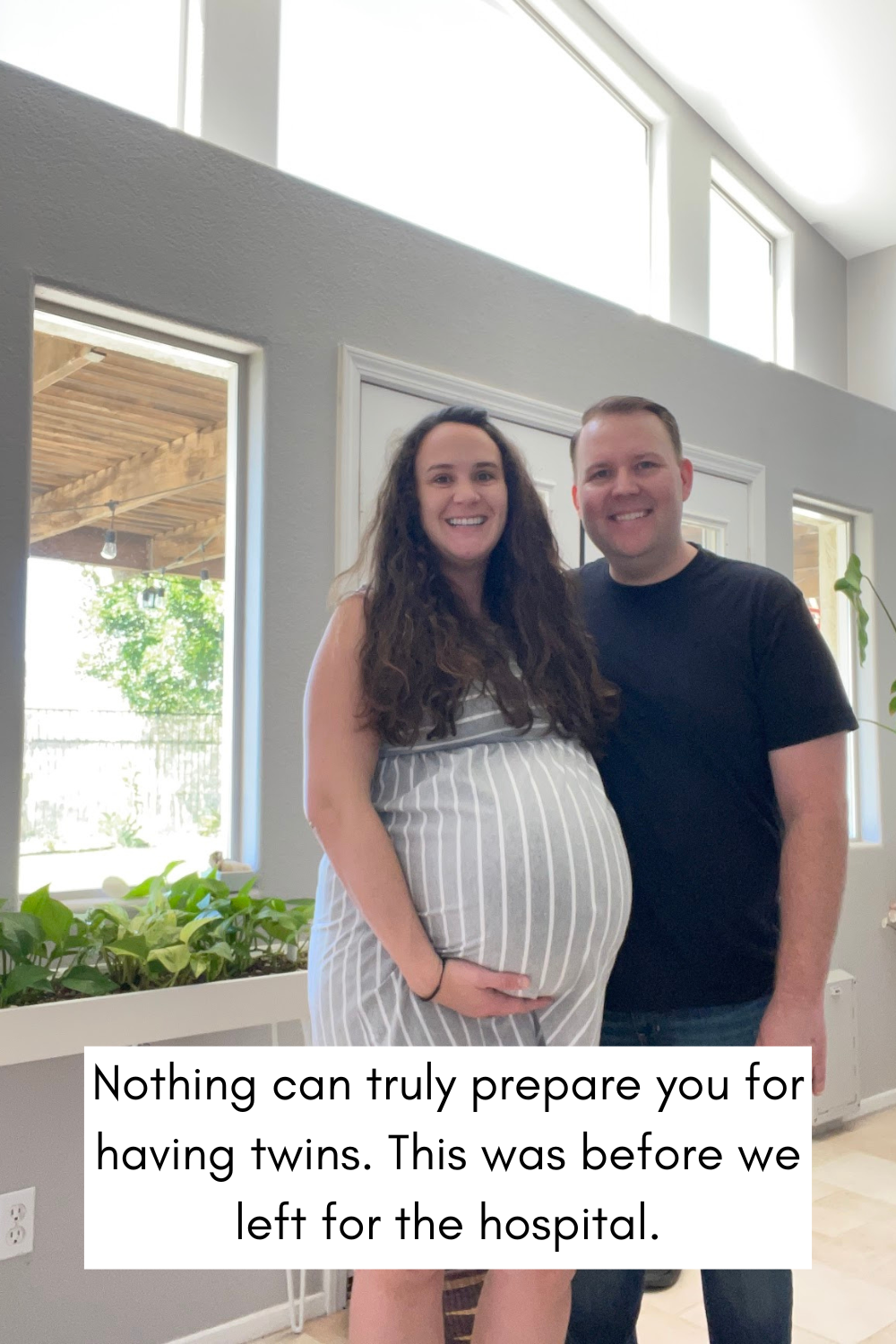
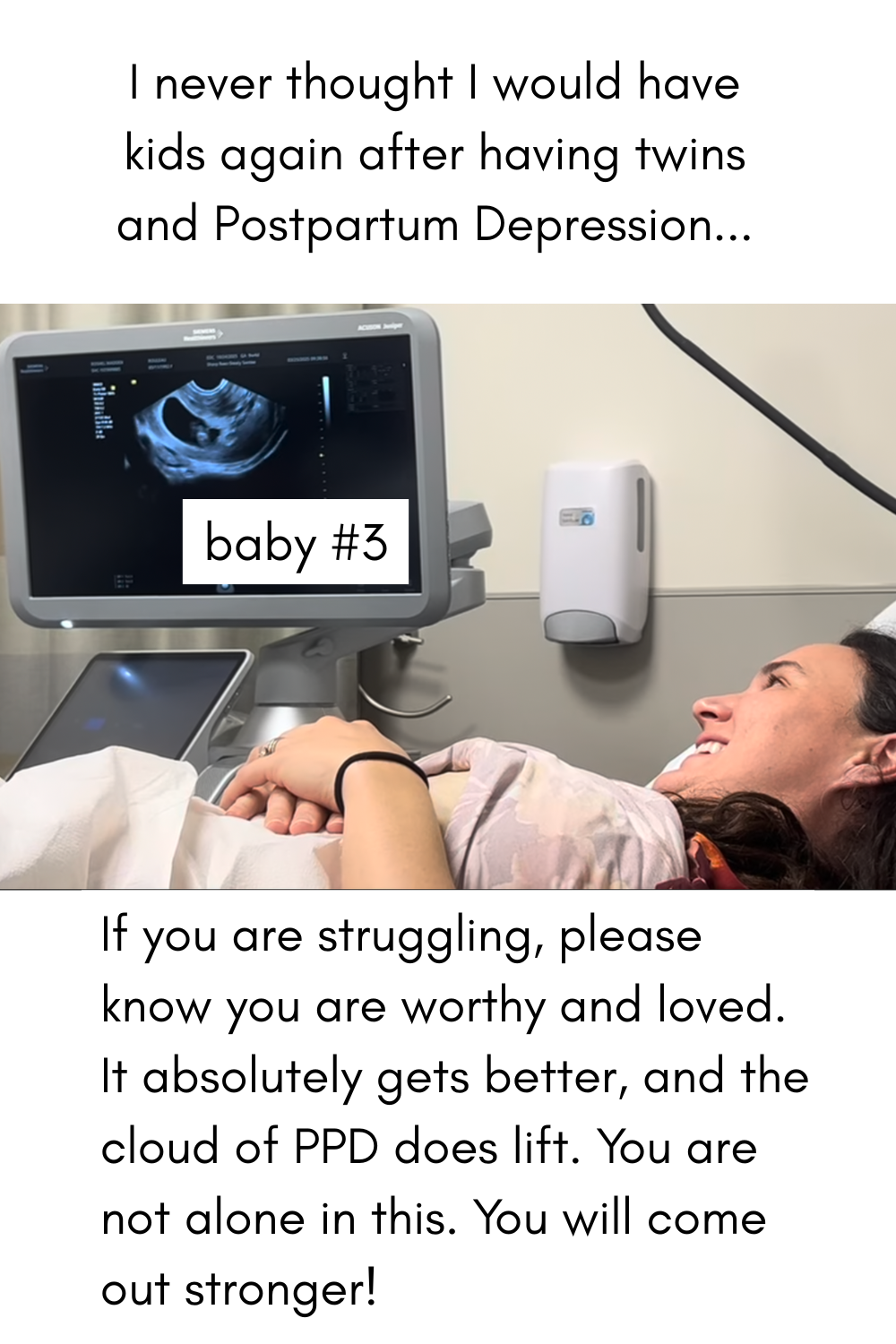
During my first pregnancy, I found out I was expecting twins! It felt surreal and almost unbelievable—and while it was amazing, I also faced many physical and emotional challenges.
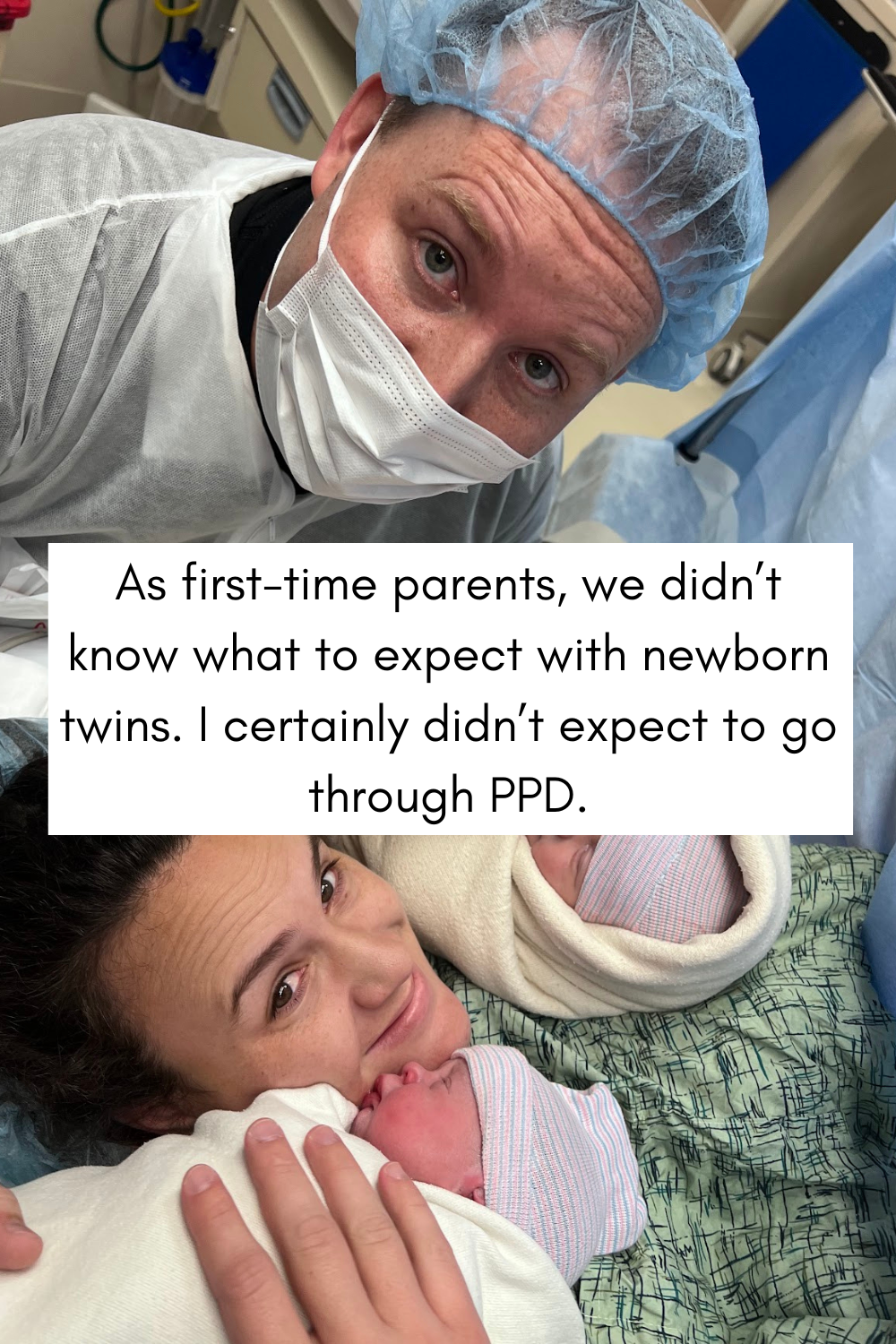
When I was in the hospital after our twins were born, I developed postpartum preeclampsia, so they needed to keep me there longer. I ended up staying for a total of six days, and it felt like an eternity. I remember being so exhausted that the night nurse suggested the twins go to the nursery so I could get some sleep. But once they took our babies, I couldn’t fall asleep at all. I tried listening to worship music, praying, and calming my mind—nothing worked.
After a few hours, I finally called the nurse to ask about the twins and to ask about going home. It was early in the morning, around 2 or 3 a.m. I was crying, and the nurse asked, “Have you been diagnosed with anxiety?” I couldn’t believe she asked me that—it felt so out of left field and unrelated. I remember thinking, What? Why would you even ask that? I told her no, I just wanted to get out of the hospital and be with my babies.
Looking back now, I realize that was one of my earliest experiences with Postpartum Depression. My time in the hospital was a little scary because of my health complications, and I definitely experienced some trauma from that, which didn’t help my mental state.
At my six-week checkup with my OB, I completely lost it. I started crying in the office with my husband there, and our twins were with us. I took the Edinburgh Postnatal Depression Scale test, and my doctor diagnosed me with PPD.
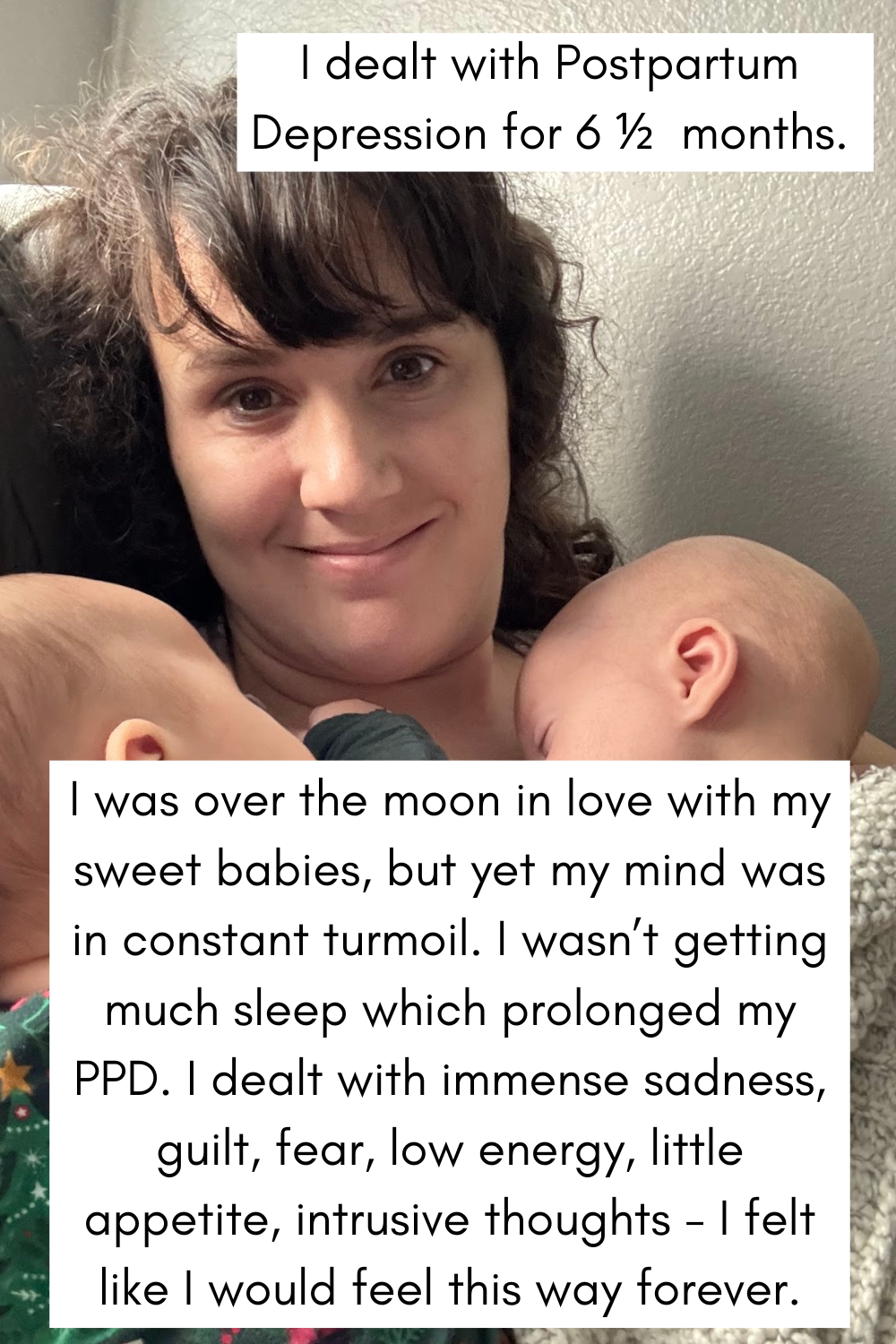
For six and a half months, I dealt with immense sadness, guilt, fear, low energy, little appetite, and intrusive thoughts. I experienced dramatic weight loss due to stress, breastfeeding two babies, and a lack of appetite. It made me sad when I received “compliments” about my weight, because I knew the weight loss wasn’t coming from a healthy place.
I wanted to heal from PPD without medication. I hoped to find ways to naturally support my mind so that if I ever faced something like this again, I would have tools to cope. I found two different therapists—the first was a perinatal-certified therapist. She was incredibly caring, gentle, and helpful in understanding what my body was going through after having twins. She was wonderful, but after several sessions, I felt led to find someone who shared my faith and could point me toward Biblical truth.
I then found a second therapist. While she wasn’t exactly what I was looking for, I learned many valuable cognitive behavioral therapy tools from her. I also talked with two dear friends who had gone through PPD, and they shared beautiful, encouraging words that lifted my heart and mind.
I also wanted to take an active role in my healing, so I gave myself “homework” by reading Winning the War in Your Mind: Change Your Thinking, Change Your Life by Craig Groeschel. This book beautifully combines science and Biblical truth to help renew your mind and fight back against the lies we often believe.
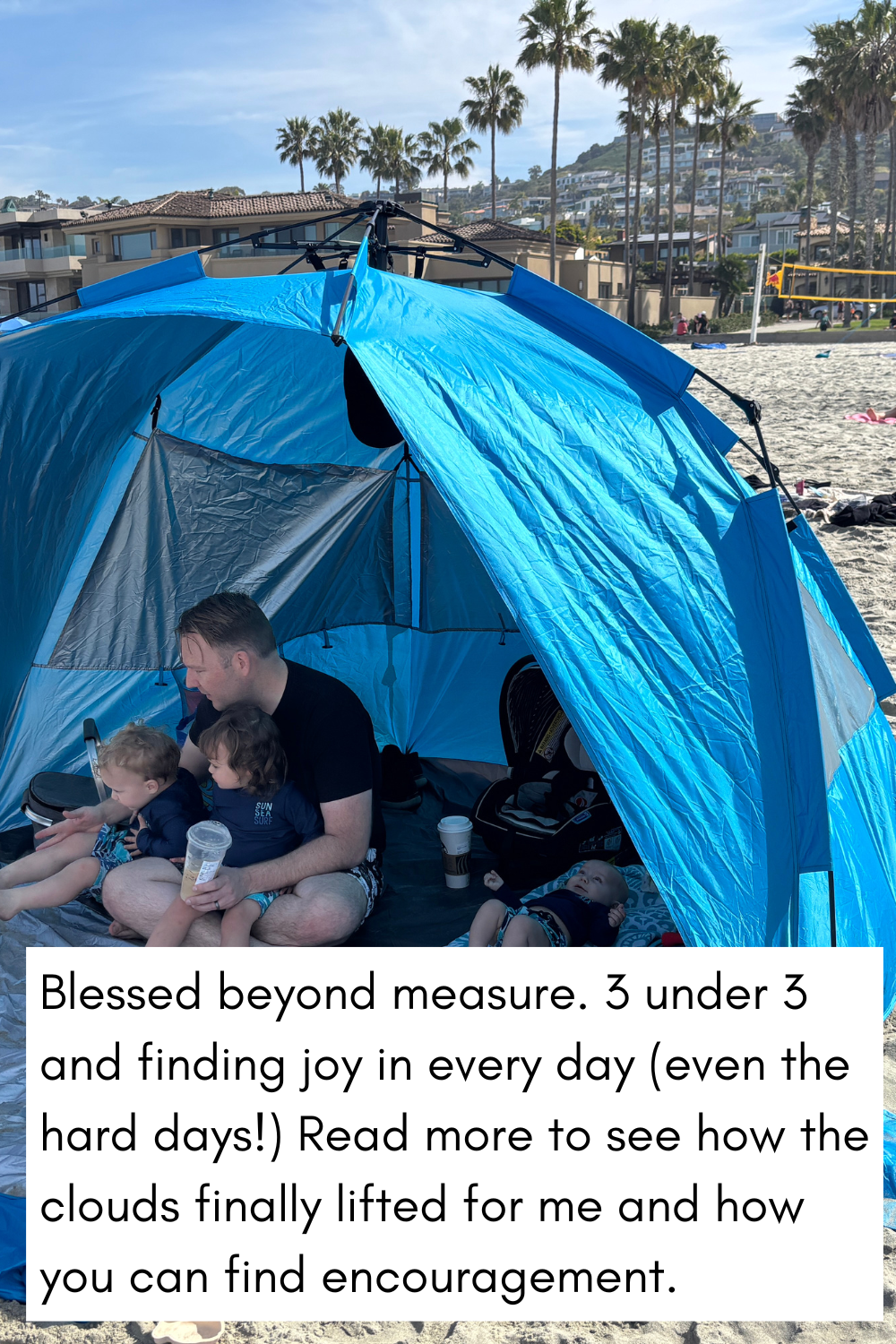
Going through PPD for six and a half months was incredibly difficult, but I’m amazed at how I came through it. Even in the midst of the struggle, I was still a loving wife and a caring mama, doing my absolute best to heal while taking on the responsibilities of a new mother. I came out stronger—resilient, yet still tender and loving. My hope in sharing my story is to encourage other moms who are struggling, and to remind them that there truly is light at the end of the tunnel.
What Ultimately Helped Heal my PPD (in a nutshell)
- Time
- Learning about my brain
- Practicing cognitive behavioral therapy (CBT) techniques
- Support from loved ones
- Going outside in nature
- Being in safe places for my tender heart
- Eating well balance, nutritious meals
- Listening to positive stories from other mamas
How to Recognize Postpartum Depression
Full disclosure: This post shares my personal experience and is not medical advice. Please consult your doctor or a qualified healthcare provider for guidance specific to your situation.
Typical feelings of Postpartum Depression can be really complex and often confusing because they don’t always match what you expected motherhood to feel like.
Here are some of the most common emotions women describe:
Emotional changes
- Persistent sadness or feeling “low”
- Frequent crying (sometimes without a clear reason)
- Feeling overwhelmed or like you’re barely keeping up
- Irritability or unexpected anger
Mental struggles
- Racing or intrusive thoughts
- Constant worry (about baby, safety, or “doing it right”)
- Feeling like you’re failing as a mom
- Difficulty concentrating or making decisions
Connection + identity
- Feeling disconnected from your baby, even while loving them deeply
- Guilt for not feeling “happy enough”
- Loss of interest in things you used to enjoy
- Feeling like you’ve lost yourself
Physical + energy
- Exhaustion beyond normal newborn tiredness
- Trouble sleeping (even when baby sleeps)
- Changes in appetite
Heavier feelings (in some cases)
- Hopelessness or numbness
- Feeling trapped or wanting to escape
- Scary or unwanted thoughts (which can feel really distressing)
Tips to Help You Heal from PPD
- Talk to someone you trust
Whether it’s your doctor, a therapist, a close friend, or your spouse—don’t keep everything bottled up. Speaking your thoughts out loud can bring so much relief. - Take care of your basic needs
Sleep, nourishment, and hydration matter more than ever right now. Even small efforts—like eating simple meals or resting when you can—make a difference. - Give yourself grace
You are not meant to do this perfectly. Release unrealistic expectations and remind yourself that you’re doing your best in a hard season. - Get outside when you can
Fresh air, sunlight, and even a short walk can help lift your mood and reset your mind. - Limit overwhelming input
Social media, comparison, and too much noise can make things feel heavier. Protect your peace where you can. - Practice renewing your thoughts
When negative or intrusive thoughts come in, gently challenge them. Replace them with truth—whether that’s grounding thoughts, affirmations, or Scripture. - Create small, doable routines
Simple rhythms to your day can bring a sense of stability when everything feels chaotic. - Accept help
Let others step in—whether it’s help with meals, watching the baby, or household tasks. You don’t have to carry it all. - Consider professional support
Therapy and medical guidance can be incredibly helpful tools in your healing journey. Seeking help is a sign of strength, not weakness. - Lean into your faith
Spend time in prayer, read Scripture, or listen to worship music. Even a few quiet moments can bring comfort and remind you that you’re not alone.
Overcoming postpartum depression doesn’t happen overnight, and it doesn’t look the same for everyone—but healing is possible. It’s found in the small, consistent steps: reaching out for help, caring for your body, renewing your mind, and leaning on truth when your thoughts feel overwhelming. Give yourself grace in the process, and don’t be afraid to accept support from others, whether that’s through your doctor, a trusted friend, or counseling. For me, it was also about anchoring my heart in faith and choosing to hold onto hope, even on the hardest days. If you’re in this season right now, know this—you are not alone, you are stronger than you feel, and there is light ahead. If I can pray for you, please email at merrymadden.mail@gmail.com and I would love to pray for you and your baby.
If you found this post helpful, please consider subscribing/following me on my socials: YouTube and Pinterest!

.webp)