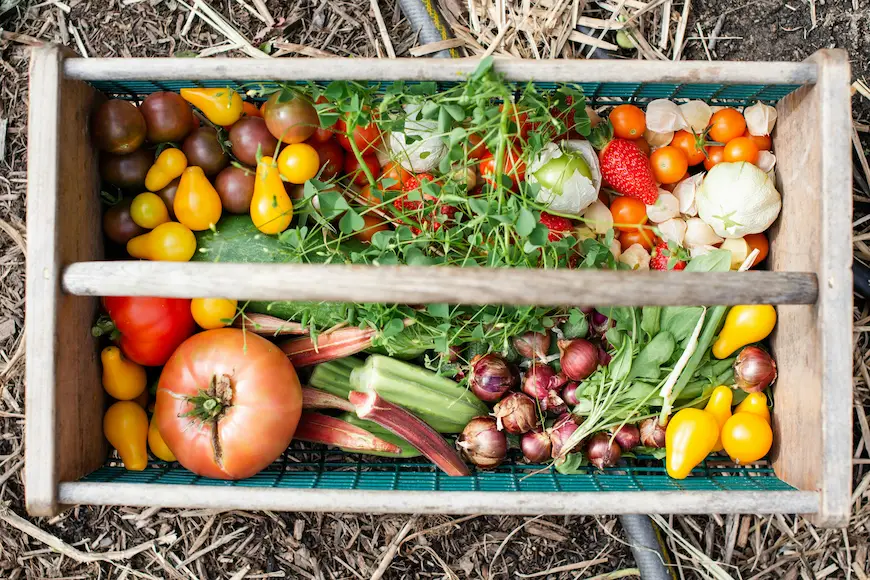






Over the last year I’ve been more interested in learning about organic and NON-GMO foods and how to grow my own organic fruits and vegetables. We have really enjoyed switching to mostly organic foods in our home. It gives me peace of mind as a parent knowing we’re feeding our children wholesome foods that support their growing bodies and overall health.
I started a small garden in our backyard, and I wanted to make sure the fruits and vegetables we grow are free from harmful chemicals and pesticides. Weeds are every gardener’s nemesis. They seem to pop up overnight! Other than being an eye sore to your garden, weeds steal nutrients from plants, and turn a beautiful garden into a tangled mess. But before you reach for harsh chemical herbicides, there’s good news: you don’t have to compromise the health of your soil, plants, flowers, and fruits/vegetables to get rid of unwanted weeds.
Chemical-free weed removal is not only safer for your family and pets, it’s better for butterflies, bees (and other insects), soil microbes, and the long-term health of your garden. The key is using the right tools and natural methods that target weeds without harming your plants.
In this post, we’ll explore the best chemical-free weed removers you can use in your garden, why they work, and how to make them part of your garden care routine.
Why Chemical-Free Weed Removal Matters
If you are going to go through the effort of growing your own fruits and vegetables, why use chemicals in your gardening? There are chemical-free alternatives to keep weeds out of your garden.
Traditional chemical herbicides might provide quick results, but they come with risks:
- Environmental harm: Chemical sprays can leach into the soil and groundwater.
- Damage to beneficial plants and insects: Pollinators like bees and butterflies, along with helpful soil organisms, don’t always survive chemical exposure.
- Health concerns: Harsh weed killers can irritate skin and lungs, and residues may remain on produce if used near edible plants.
The Best Chemical Free Weed Removers for Your Garden
.png)
1. Hand Weeding Tools
One of the oldest and most reliable weed removal methods is simply physically removing the weeds.
I recommend using a weed puller tool, it is so easy to use! After a few months of neglecting our backyard (hey, life gets really busy when you just had a baby!) Our backyard stone pathway was littered in weeds.My husband spent about 30 minutes using a weed puller tool to remove all the weeds from the cracks and crevices. Weeds are easiest to remove when the soil is slightly moist, after watering or rain. Tools like a
2. Mulch
Mulch is a great way to keep weeds from sprouting up. We re-mulch are backyard at least once a year to help with weeds. Mulching is one of the most effective long-term weed prevention strategies.
Mulch helps in three ways:
- Blocks sunlight: This keeps weed seeds from sprouting.
- Conserves soil moisture: your garden plants stay healthier.
- Improves soil structure over time: especially if you use organic mulch.
Spread mulch in a 2–4 inch layer around your plants, making sure not to pile it right against plant stems (which can cause rot). You’ll be amazed at how many weeds just disappear!
3. Boiling Water
Heat is one of the most natural ways to kill unwanted weeds. Just boil a pot of water and carefully pour it directly onto the weed crowns. This method works especially well for weeds growing in:
- Driveways
- Walkways
- Cracks in pavement or walkways
Be careful when using boiling water because it will kill any plant it touches, so use it only where you don’t want vegetation. Also, be careful not to burn yourself-ouch!!
4. Vinegar Solutions
White vinegar contains acetic acid, which dries out weed leaves when applied directly.
How to Use:
Mix:
- 1 cup of white distilled vinegar
- 1 tablespoon of salt (optional for extra strength)
- A few drops of organic dish soap (helps it cling to leaves)
Spray directly onto the weeds on a sunny day. The sun helps speed up the drying process.
Note: Don’t spray this on plants you want to keep — vinegar is non-selective and can harm garden plants too.
5. Smothering With Cardboard
If you have a big patch of weeds you want to clear without chemicals, smothering it with cardboard is a smart option. I use my Amazon boxes (I peel off the tape and discard the cardboard with any ink on it to be safe).
How to do it:
- Lay down overlapping sheets of cardboard directly over the weeds.
- Wet it down so it stays in place.
- Cover with mulch or soil.
Over time, the lack of light kills the weeds underneath, and the cardboard/newspaper breaks down naturally into the soil.
This method works great for preparing new garden beds or clearing large areas without constant weeding.
Keep Weeds at Bay with Regular Garden Maintenance
Natural weed control works best when it’s consistent.
Here’s a simple weekly routine:
- Walk your garden and remove small weeds before they grow big
- Re-mulch bare soil
- Water only garden plants (avoid watering weeds)
- Inspect for new sprouts in pathways or growing near edibles
After just a few weeks of regular attention, you’ll find weed growth slows significantly.

Final Thoughts
Getting rid of weeds doesn’t have to mean reaching for harmful chemicals. With a mix of thoughtful tools, natural solutions, and regular habits, you can enjoy a thriving garden that’s free of weeds and free of toxins.
Chemical-free weed removal protects your soil, your plants, your family, and the environment — and the best part is, many of these methods are inexpensive and simple to implement.
Whether you prefer pulling by hand, mulching deeply, using vinegar sprays, or smothering weeds with cardboard, there’s a natural option that fits your gardening style.
So next time you see those pesky weeds popping up, take a deep breath — and take heart. With the right approach, you can keep your garden beautiful, healthy, and chemical-free.




.webp)